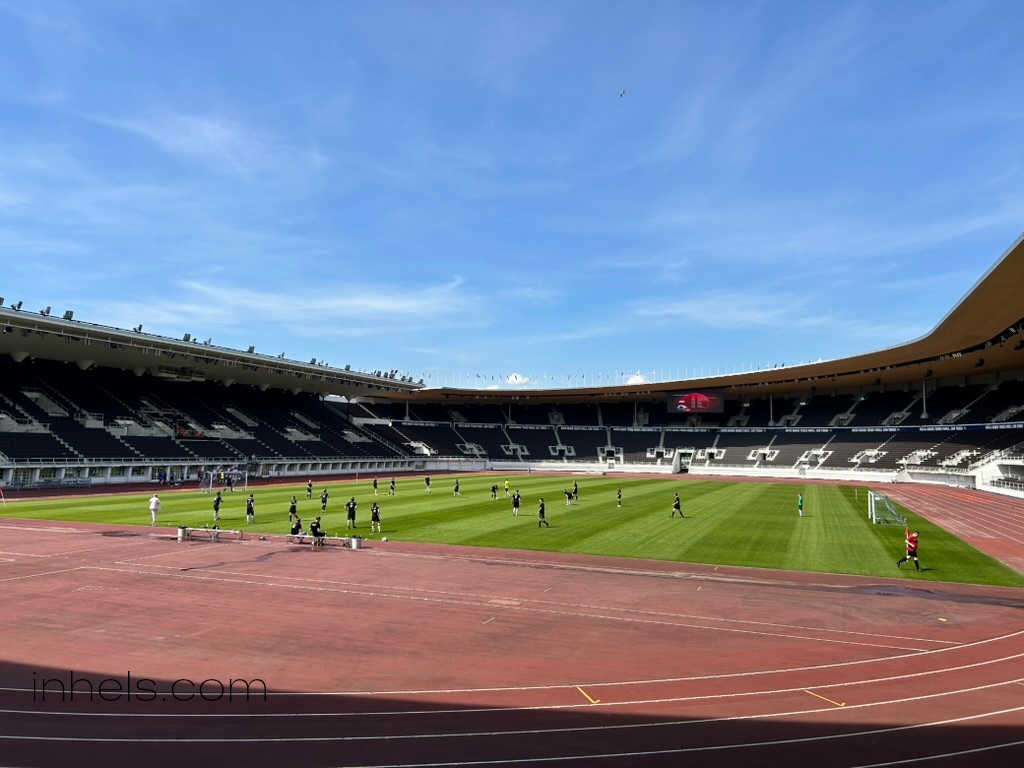
Helsinki Olympic Stadium
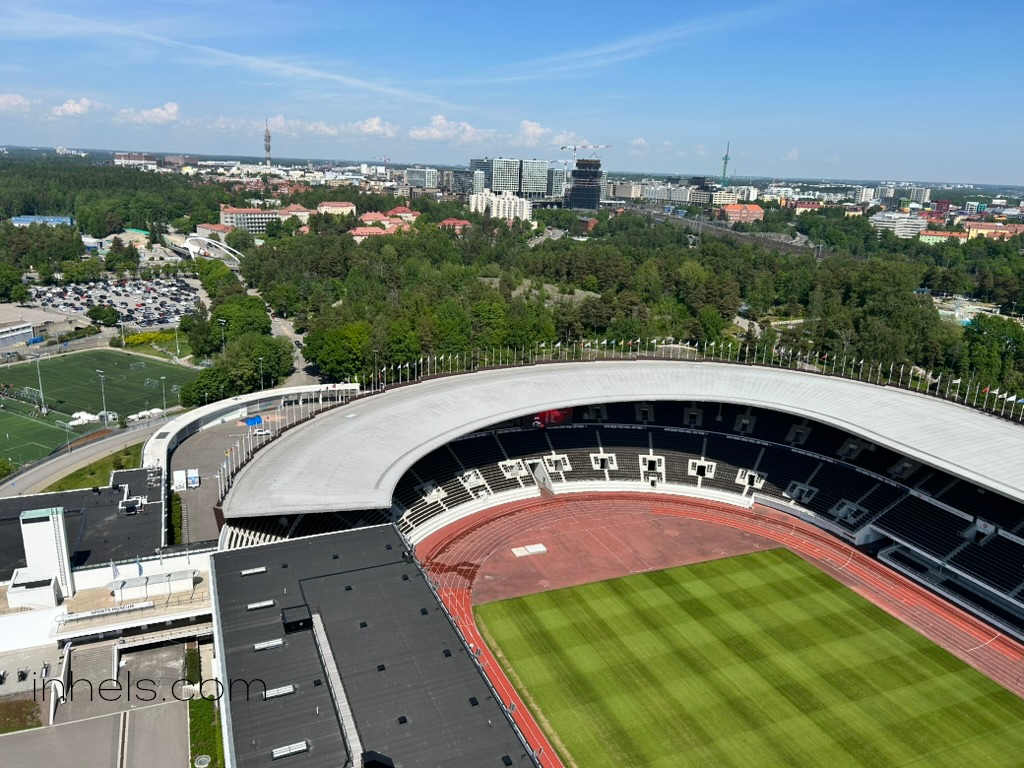
Address: Paavo Nurmen tie 1, 00250 Helsinki
Public transport friendly: Yes
Vibe: Sport, Architecture, History
Some buildings are constructed for a single moment in the spotlight. Others spend generations proving why they deserve to stay. The Helsinki Olympic Stadium—known affectionately to locals as Stadikka—belongs firmly to the second group.
Located in the Töölö district just over two kilometers from Helsinki's city center, it stands as Finland’s largest outdoor arena and an unmissable monument to Nordic design.
Born in Blueprints, Delayed by War
The stadium is a masterclass in Finnish Functionalism, designed by architects Yrjö Lindegren and Toivo Jäntti. When it opened its doors in June 1938, the goal was simple: host the upcoming 1940 Summer Olympic Games.
History, however, had other plans. The outbreak of World War II forced the cancellation of the 1940 Games, leaving Finland with a world-class stadium but no event.
It wasn't until 1952 that Helsinki finally got its moment. The 1952 Summer Olympics became a massive symbol of recovery for the country. At the opening ceremony, a record-shattering 70,435 spectators watched inside the stadium as the legendary "Flying Finn," runner Paavo Nurmi, carried the torch inside to light the cauldron.
Architectural Quirks: The 72-Meter Secret
From the outside, the building masterfully contrasts a low, curved bowl with a single, needle-thin tower piercing the skyline.
The tower stands exactly 72.71 meters (238.5 feet) tall. That very specific number isn't random architectural whim—it matches the exact, gold-medal-winning distance thrown by Finnish javelin legend Matti Järvinen at the 1932 Los Angeles Olympics.
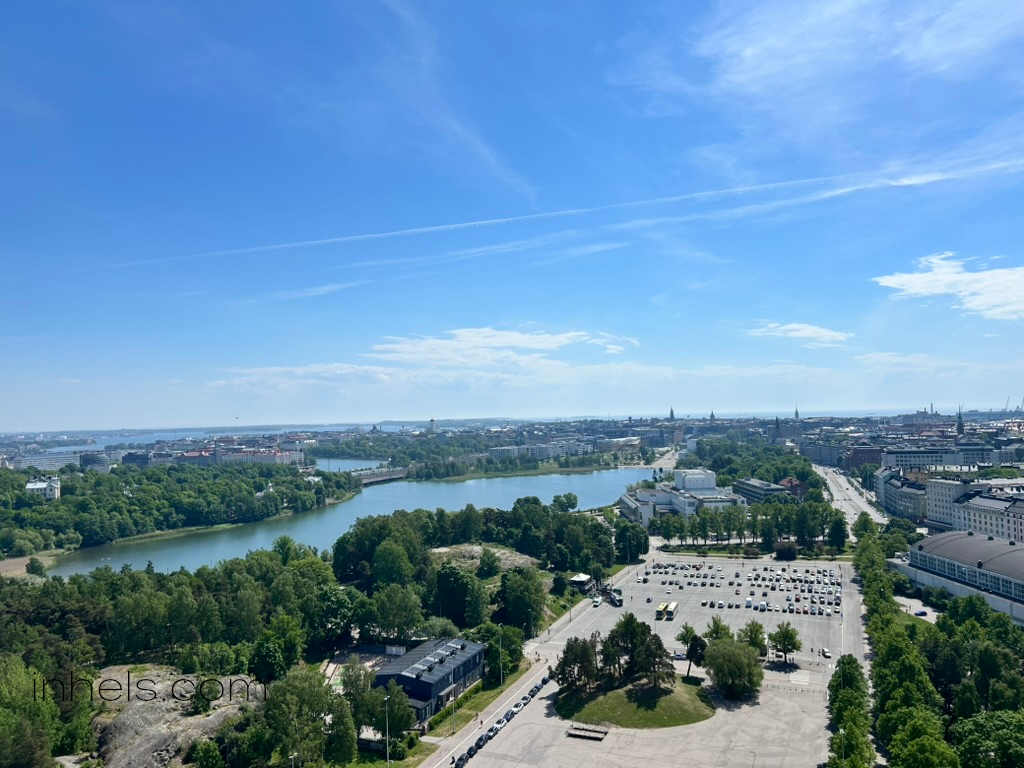
Today, visitors can take an elevator straight to the top of the tower for one of the most stunning, unobstructed 360-degree views of Helsinki.
A €337 Million Rebirth
While the stadium is deeply historic, it is far from a museum piece. Between 2016 and 2020, the arena underwent a massive, highly debated €337 million modernization project to transition it into the 21st century.
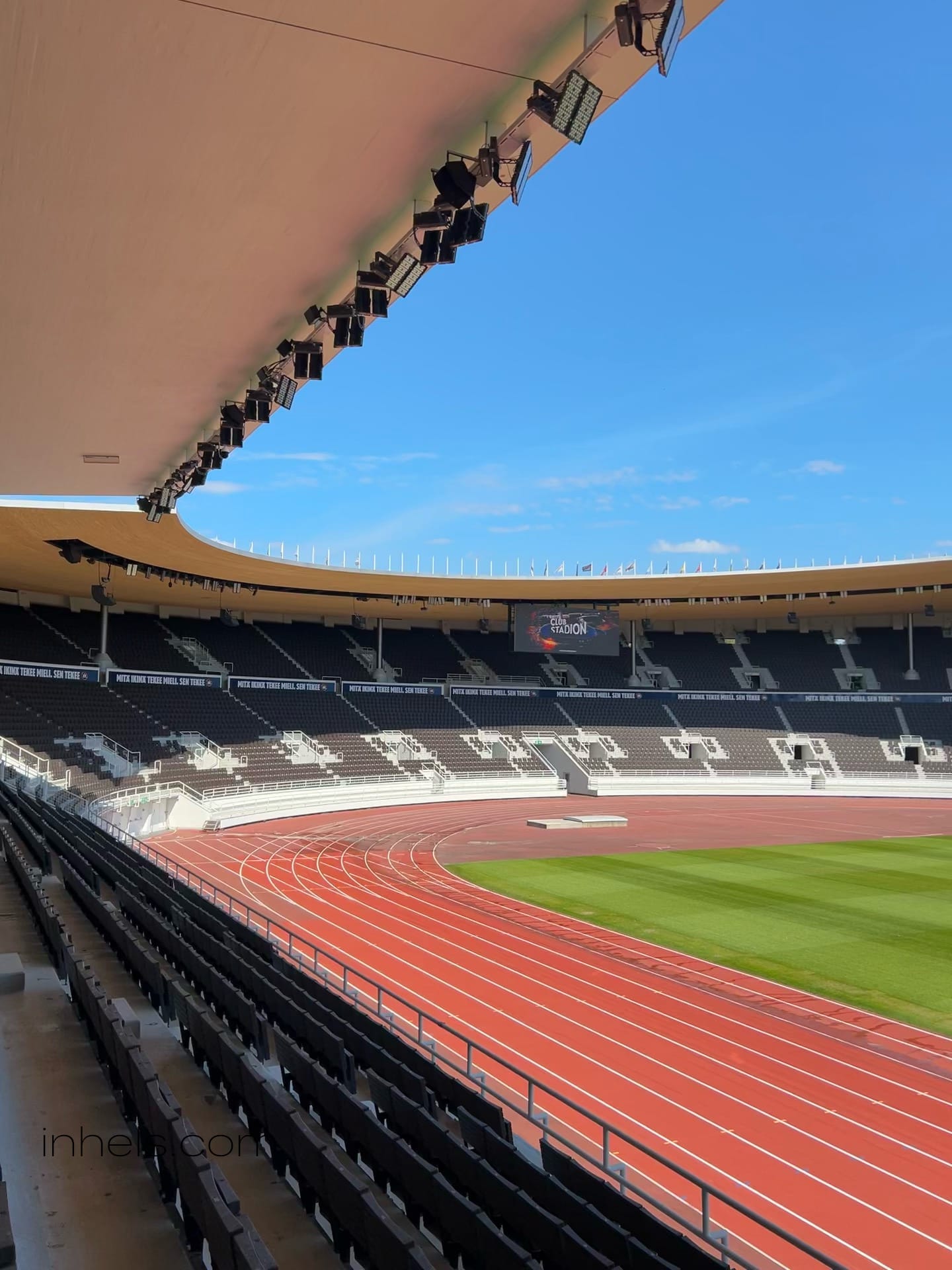
Rather than tearing down the historic monument, architects carefully preserved its architectural soul while completely updating its utility:
- The Wooden Roof: A brand new, sweeping canopy made of Finnish spruce and pine was added, protecting 36,200 spectator seats from the unpredictable Nordic weather.
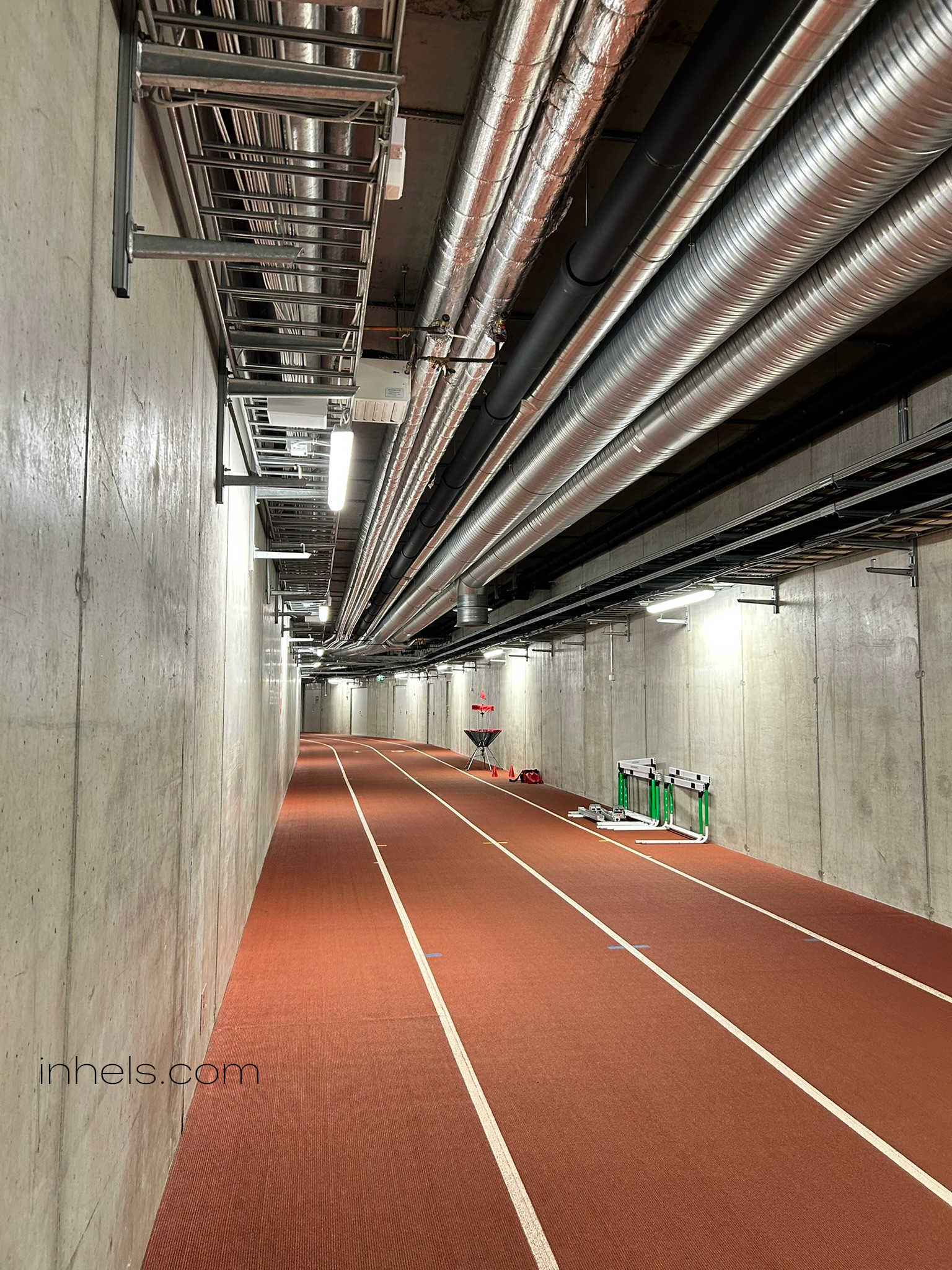
- Underground Facilities: An entire labyrinth of new logistics, running tunnels, and multi-use indoor gym spaces was carved out of the rock underneath the stadium tracks.
- Modern Comforts: Public restrooms were scaled up from 248 to over 500, and standard stadium food stalls were completely overhauled into sleek, modern kiosks.
More Than Just Sport
Today, Stadikka functions as a multi-purpose cultural hub. It serves as the home ground for the Finnish men's and women's national football teams, and regularly transitions into a massive live music venue hosting international acts like the Rolling Stones, Bruce Springsteen, and U2 for crowds up to 50,000.
Whether you are visiting to check out the Sports Museum of Finland at its base, running on its tracks, or simply looking up at its blindingly white tower on a clear summer day, the stadium remains the beating heart of Finnish public life.